
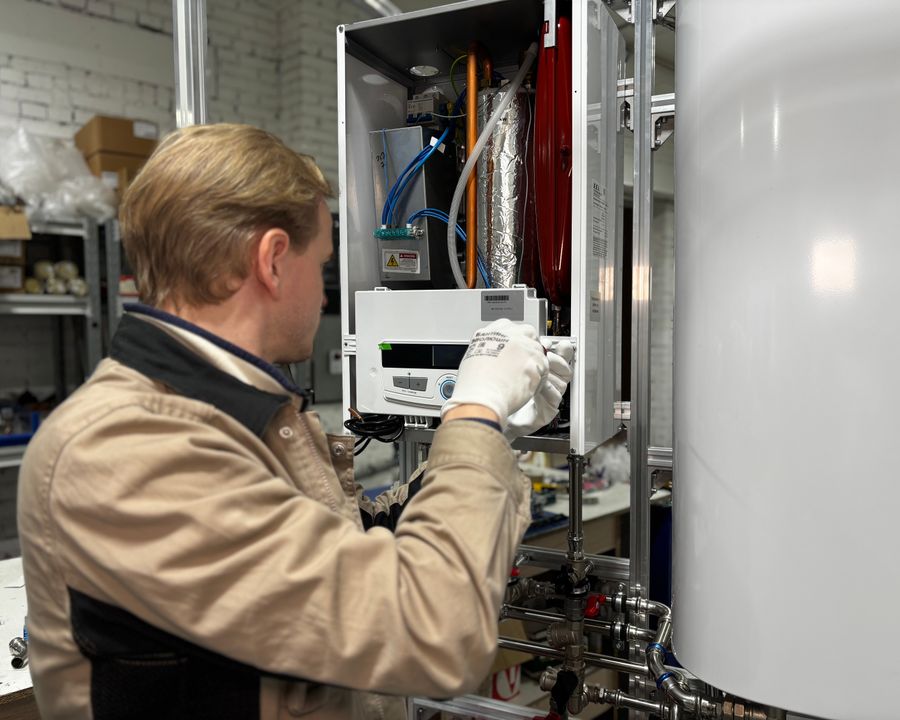
Common gas water heater problems
| Symptom | Common causes |
|---|---|
| Pilot won't light or stay lit | Worn thermocouple or thermopile, dirty pilot assembly, flame sensor fault, draft problems |
| No hot water, pilot is lit | Failed gas control valve or thermostat, clogged burner orifice |
| Not enough hot water | Sediment buildup, broken dip tube, undersized tank, thermostat set low |
| Popping or rumbling | Sediment on the tank bottom |
| Rotten-egg smell from the hot water | Bacteria reacting with the anode rod; more common with well water |
| Soot, scorching or a flame rollout | Blocked flue, poor combustion air or a venting fault. Shut it off and call. |
Venting: a big deal in older Connecticut homes
Standard gas water heaters vent combustion gases up a flue, often into a masonry chimney shared with a furnace or boiler. When the furnace or boiler is replaced with a high-efficiency model that vents out the side wall, the water heater can end up alone in an oversized chimney. That can cause poor draft, condensation and backdrafting of exhaust. This "orphaned water heater" situation is common in older housing stock around Hartford, West Hartford, Meriden and Waterbury. A pro can check draft and recommend a chimney liner or a power-vent water heater.
Carbon monoxide: Every home with a gas water heater should have working CO alarms. If an alarm sounds, get everyone outside and call 911 or your gas utility.
Natural gas vs. propane
Natural gas service is widespread in Connecticut's cities and many suburbs, while a lot of rural towns rely on propane instead. The water heaters are similar, but the gas valve and burner orifice are set up for one fuel or the other. Make sure the technician knows which you have. Propane households should also keep an eye on tank levels in winter. Running out can look like a water heater failure, and the system will need to be leak-checked and relit once the tank is refilled.
Gas water heater repair process
- Call and tell us your fuel type, the brand if you know it and what's happening.
- Safety and diagnosis. The pro checks for gas leaks, tests the thermocouple or flame sensor, checks the gas valve and inspects the burner and venting.
- Repair. Common parts like thermocouples, pilot assemblies, gas valves, dip tubes and anode rods are often replaced the same visit.
- Combustion and draft check. A good tech confirms the flame and the draft before leaving.
Repair or replace a gas water heater?
A thermocouple or pilot fix is usually inexpensive and well worth doing. A gas control valve costs more, and on a tank past 10 years it may be better put toward a new unit. If the tank is leaking, replacement is the only fix. See water heater replacement. Interested in endless hot water? Gas homes are the best candidates for tankless water heaters.
Gas units are the most common type we help with. Our main water heater repair in CT page covers every fuel type, including electric and oil-fired and indirect systems.
Frequently asked questions
Why won't my gas water heater pilot stay lit?
The most common cause is a worn or dirty thermocouple, or a flame sensor on newer models, which shuts off gas when it doesn't sense the pilot flame. Draft problems, a dirty pilot tube or a failing gas valve can also cause it.
Can a gas water heater be repaired on propane?
Yes. Propane water heaters use the same basic parts as natural gas models but with fuel-specific valves and orifices. Let the pro know you're on propane when you call.
Why does my hot water smell like rotten eggs?
That sulfur smell usually comes from bacteria in the water reacting with the tank's anode rod. It's more common with well water. Swapping the anode rod for a different type and flushing the tank often solves it.
Is it dangerous if my gas water heater has soot around it?
Yes, soot or scorch marks can point to poor combustion or a venting problem, which can create carbon monoxide. Turn the unit off and have it inspected before using it again.